The Supplement Quality Crisis: Why Brand Logos and Badges Lie
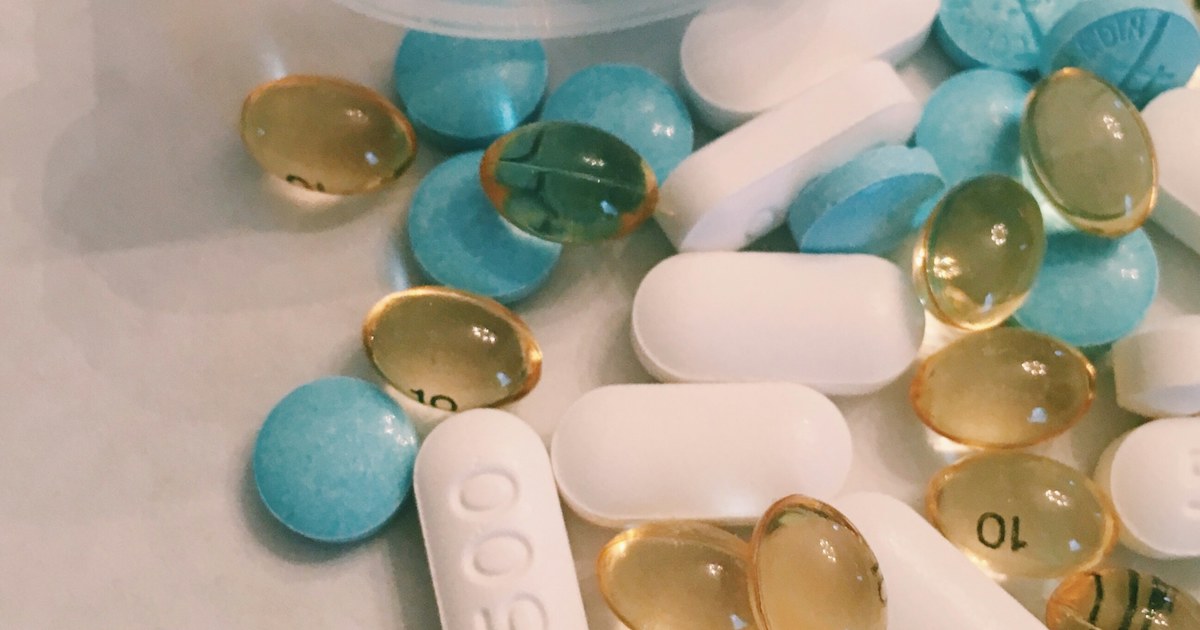
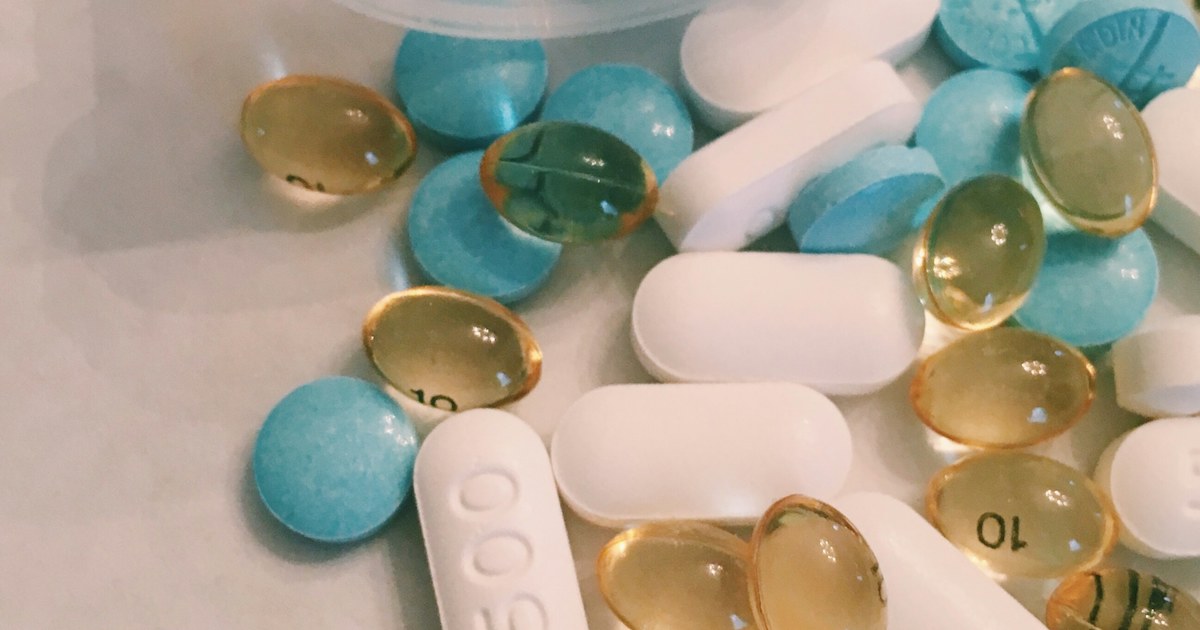
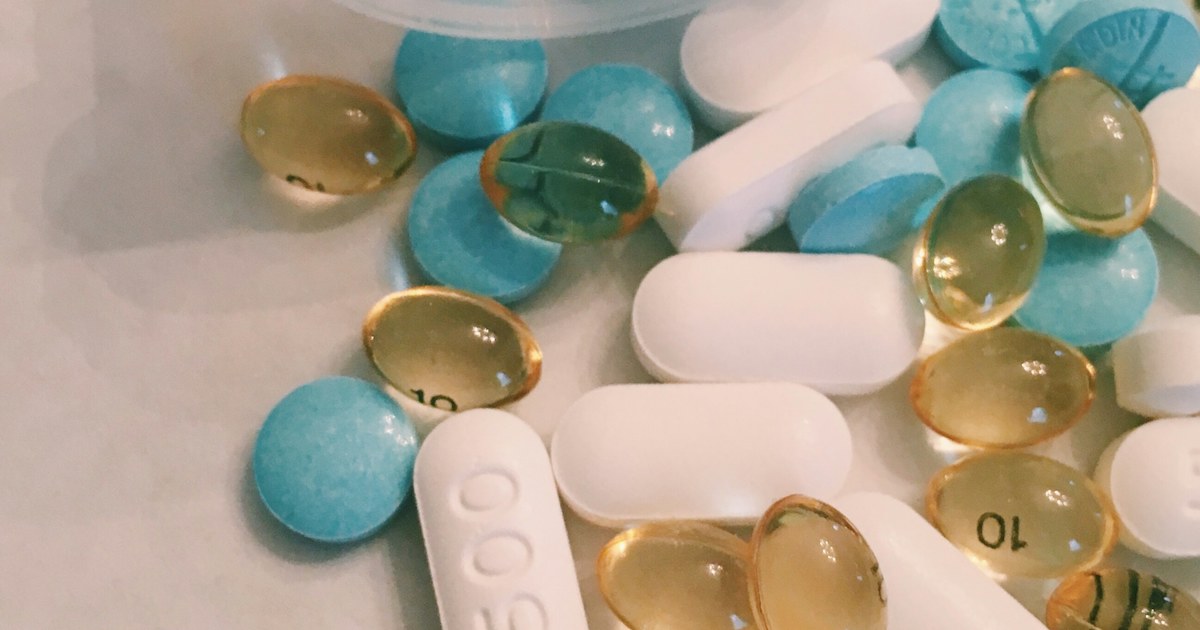
You step down the aisle of your local grocery store or browse your favorite online retailer, tossing multivitamins and protein powders into your cart based entirely on sleek packaging, glossy gold badges, and labels boasting "doctor-formulated" promises. Meanwhile, you are paying upwards of $50.00 to $80.00 per bottle for capsules that might contain nothing more than compressed rice flour or a fraction of the active botanical extract listed on the back.
This oversight wastes your hard-earned money and derails your health goals. You trust that federal oversight protects every product on store shelves, assuming an independent lab verified every claim. Yet, misleading marketing exploits regulatory gaps, leaving you vulnerable to underdosed ingredients and heavy metal contaminants.
Here is the harsh reality: The Federal Trade Commission (FTC) cracks down on false advertising daily, and the FDA mandates dietary supplement current Good Manufacturing Practices (cGMP), but enforcement resources cannot intercept every fraudulent label before it reaches your medicine cabinet.
To break free from this cycle of deceptive marketing, you need a rigorous, testing-backed evaluation framework. This guide cuts through the corporate noise to show you how to audit independent lab reports, verify cGMP compliance, and invest your wellness budget exclusively in formulas that deliver clinical-grade purity and potency.
Decoding the Supplement Label: Excipients, Fillers, and Allergens
Let us look closer at the fine print:
Beneath the active ingredients on your supplement facts panel lies a roster of inactive substances. Manufacturers utilize excipients and fillers—such as magnesium stearate, silicon dioxide, and microcrystalline cellulose—to optimize production speeds, prevent powder clumping, and ensure smooth capsule filling on automated machinery. While these processing agents are generally recognized as safe by the FDA, they add zero nutritional value and can occasionally trigger adverse digestive responses in sensitive individuals.
You must also watch out for allergen traps hidden within these binders. Common excipients frequently derive from corn, soy, or dairy sources, posing unexpected risks if you manage food allergies or strict dietary restrictions.
Compounding this opacity is the federal regulatory loophole regarding proprietary blends. Under FDA guidelines, supplement manufacturers can legally lump multiple active ingredients together under a single total weight. They are not required to disclose the exact milligram dosage of each individual component inside that blend. This practice shields cheap, ineffective formulas from accountability, leaving you guessing whether you are paying for therapeutic doses or merely trace amounts of premium extracts.
How to Audit a Certificate of Analysis (CoA) Like an Industry Insider
The good news? You do not need a biochemistry degree to stop falling for empty marketing badges. While a brand can easily slap a fake "certified pure" seal on its sales page, it cannot fake an independent laboratory Certificate of Analysis (CoA). You just need to know what numbers to look for.
Independent verification standards established by USP, NSF International, and ConsumerLab set strict benchmarks for quality assurance. Follow these actionable steps to audit a laboratory report yourself:
Step 1: Verify the Laboratory and Sample ID
- Confirm the testing lab is ISO/IEC 17025 accredited.
- Check that the product name, lot number, and SKU on the lab report match the exact bottle sitting in your kitchen pantry.
Step 2: Scrutinize Heavy Metal Limits
- Scan the elemental analysis section for lead, arsenic, cadmium, and mercury.
- Ensure heavy metals fall below strict safety thresholds: lead must register under 0.5 parts per million (ppm), cadmium under 0.3 ppm, arsenic under 1.5 ppm, and mercury under 1.0 ppm.
Step 3: Check Active Ingredient Potency
- Compare the HPLC (High-Performance Liquid Chromatography) assay results against the supplement facts label.
- Verify that the active compound concentration meets or exceeds 100% of the claimed dosage, accounting for acceptable label variance guidelines enforced by the FDA.
Step 4: Audit Microbiological Contamination
- Review the microbial panel for total aerobic plate count, yeast, mold, E. coli, and Salmonella.
- Confirm that results read "Negative" or "Not Detected" for dangerous pathogens, ensuring your vitamins are free from bacterial growth.
The True Cost-per-Serving Optimization Formula
Why does this matter for your wallet? Because sticker price is a deceptive metric in the supplement aisle. A $15.00 bottle of vitamins seems like a bargain until you factor in poor chemical absorption and low elemental yields. You end up flushing expensive ingredients down the drain while your body absorbs practically nothing.
To evaluate what you actually get for your $ (USD), you must calculate the cost per 100mg of bioavailable, active nutrient. Regulatory oversight from the FDA and FTC requires truthful supplement facts labels, but manufacturers rarely disclose how much of that compound your gut can actually utilize.
Look closely at how cheap, poorly absorbed raw materials inflate your actual cost compared to premium, bioavailable forms:
| Supplement Form | Bioavailability Rate | Retail Price per Bottle | Cost per 100mg Active Nutrient |
|---|---|---|---|
| Magnesium Oxide | ~4% to 10% | $12.00 (100 servings) | $3.00 to $7.50 |
| Magnesium Glycinate | ~80% | $28.00 (60 servings) | $0.58 |
| Synthetic Vitamin E (dl-alpha) | ~12% | $10.00 (90 servings) | $1.85 |
| Natural Vitamin E (d-alpha) | ~100% | $24.00 (60 servings) | $0.80 |
When you break down the numbers, low-cost compounds require massive dosing to achieve therapeutic blood levels. You pay less upfront for magnesium oxide, yet you receive a fraction of the elemental benefit. Stop buying the label. Compute the real bioavailable cost before you checkout.
Interaction Matrices: Prescription Drugs and Popular Supplements
Before you take your next capsule:, understand that natural does not mean inert. Dietary supplements are biologically active compounds that can alter your biochemistry just as powerfully as synthetic pharmaceuticals. Combining popular botanicals or minerals with common prescription drugs without clinical oversight invites dangerous adverse events.
Consider St. John’s Wort, a widely used botanical for mood support. It induces hepatic cytochrome P450 enzymes—specifically CYP3A4—and P-glycoprotein. If you take it alongside selective serotonin reuptake inhibitors (SSRIs), you drastically increase the risk of serotonin syndrome, a potentially fatal condition driven by excessive central nervous system serotonin accumulation.
Minerals present another hidden hazard. Taking calcium supplements concurrently with thyroid hormone replacement medications, such as levothyroxine, binds the drug in your gastrointestinal tract. This chelation effect significantly reduces absorption, rendering your daily prescription ineffective and leaving your hypothyroidism unmanaged.
The FDA does not routinely test supplements for pharmaceutical cross-reactivity before they hit store shelves. You must bridge this safety gap yourself. Always disclose every single vitamin, herb, and extract to your prescribing physician or clinical pharmacist. Check independent databases, such as those maintained by the National Institutes of Health (NIH) Office of Dietary Supplements, to cross-reference your current medications against potential botanical and mineral contraindications before swallowing your daily dose.
Let's clear up lingering doubts:
Frequently Answered Questions on Supplement Science and Testing
How can you verify supplement batch purity independently?
Do not rely on the certificate of analysis hosted on a brand's website, as these can be outdated or doctored. Instead, locate the specific lot number printed on your bottle and cross-reference it with independent testing databases maintained by NSF International, U.S. Pharmacopeia (USP), or ConsumerLab.com. If a company refuses to provide third-party assay reports matching your exact lot number upon request, return the product.
What are the safe blood serum toxicity levels for fat-soluble vitamins?
Fat-soluble compounds like vitamins A, D, E, and K accumulate in your adipose tissue and liver, creating a genuine risk of hypervitaminosis. For vitamin D, clinical reference ranges established by the Endocrine Society define optimal 25-hydroxyvitamin D serum testing ranges between 30 to 50 ng/mL. Levels exceeding 100 ng/mL require immediate medical evaluation to prevent hypercalcemia and soft tissue calcification. Always request a 25-hydroxyvitamin D blood panel from your primary care physician before supplementing above standard daily allowances.
Are synthetic vitamins less effective than food-derived nutrients?
Molecular structure dictates biological activity. Take vitamin E: synthetic dl-alpha-tocopherol contains a racemic mixture of eight stereoisomers, whereas natural d-alpha-tocopherol consists solely of the R,R,R-isomer configuration. Your body utilizes the natural single-isomer form with significantly higher retention efficiency. However, synthetic variants of water-soluble vitamins, such as ascorbic acid, exhibit identical bioavailability profiles to their food-sourced counterparts regulated by the FDA. Prioritize whole-food matrices when possible, but look for stereoisomer-specific labeling on fat-soluble synthetic isolates to ensure your body can actually absorb what you swallow.